
GRANT AGREEMENT NO 101291992
Turning renewable ethanol into high-value bio-based alcohols
RenewChem is demonstrating an industrial process that transforms renewable bioethanol into higher-value bioalcohols. The project will take Catalyxx’s proven technology from demonstration scale to industrial production at a new facility in Sines, Portugal.
The resulting alcohols, including butanol, hexanol, octanol and longer-chain alcohols, can be used across existing industrial value chains, providing renewable alternatives to conventionally fossil-derived chemicals.
From Ethanol to Industrial Alcohols
At the heart of RenewChem is a simple transformation.
Renewable ethanol
Catalytic conversion
Bio-based
longer-chain alcohols
Industrial materials
Ethanol is a two-carbon molecule. Through Catalyxx’s proprietary catalytic technology, these molecules are combined to produce longer-chain alcohols with applications across the chemical industry.
These products can be used in the manufacture of coatings, resins, adhesives, solvents, polymers and other industrial chemicals, allowing renewable feedstocks to enter established supply chains and applications.
From Demonstration to Industrial Scale
The technology has already been demonstrated at TRL 7 at Catalyxx’s demonstration plant in Seville, Spain. Now, RenewChem will bring it to industrial scale through a new facility in Sines, Portugal.
The plant is expected to produce approximately 15,000 tonnes of bio-based alcohols per year, creating a new industrial route from renewable ethanol to high-value chemical products.
This transition from demonstration to industrial production is at the core of RenewChem: turning proven innovation into a commercially viable solution for the European chemical industry.
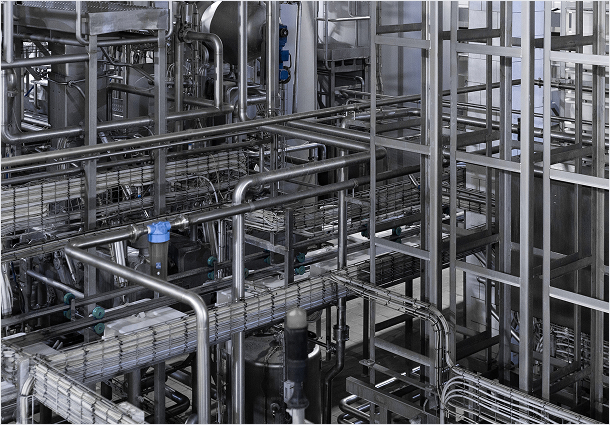
Renewable Feedstock
Bioethanol is the primary feedstock for the RenewChem process. Europe already has an established bioethanol industry, with production facilities, infrastructure, supply chains and certification systems that can support the transition towards higher-value applications.
The project will assess different ethanol sourcing pathways to ensure that the feedstock is sustainable, secure and economically viable.
This is particularly important because the origin and production of ethanol have a significant influence on the overall environmental performance of the process. RenewChem therefore uses Life Cycle Assessment (LCA) to evaluate the sustainability of different feedstock options.
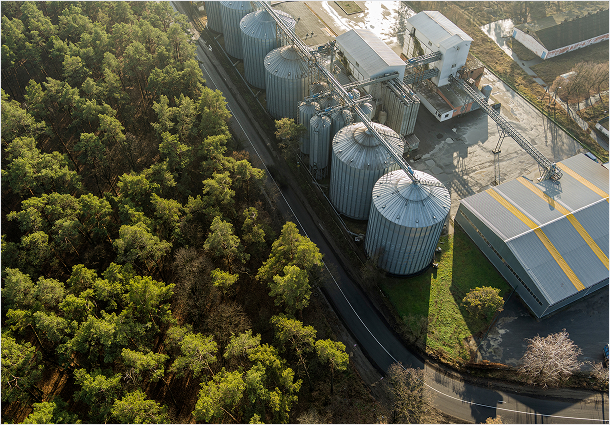
A Technology Designed to Scale
RenewChem is built around Catalyxx’s proprietary catalytic technology, developed through years of research and industrial testing.
It is protected by a portfolio of patents and has already been licensed internationally. Beyond the Sines facility, the project aims to demonstrate the potential for the technology to be replicated and deployed at other industrial sites.
This creates an opportunity to move beyond a single plant and establish a scalable industrial pathway for producing bio-based alcohols across Europe and beyond.
Why It Matters
RenewChem connects three elements that are essential to the transition towards sustainable chemistry.
Renewable feedstocks
Using bioethanol instead of fossil-based raw materials.
Industrial scalability
Moving proven technology from demonstration to industrial production.
Drop-in applications
Producing bio-based alcohols that can enter existing industrial value chains and replace fossil-derived alternatives.
Frequently asked questions
What is the primary objective of RenewChem?
RenewChem is a CBE JU Innovation Flagship Action bridging the gap between bio-based research and industrial deployment. It aims to demonstrate a cost-competitive, scalable process for producing bio-based higher alcohols as a sustainable alternative to fossil-based chemical feedstocks.
What makes RenewChem a Flagship project?
It moves beyond laboratory and pilot scale to industrial-scale production. By deploying proprietary thermochemical catalytic processes, the project serves as a blueprint for scaling up high-demand chemical building blocks to a level that competes with fossil-based market standards.
What feedstock does the project use?
Raw bioethanol, sourced to ensure a stable supply chain. It undergoes advanced catalytic transformation that bypasses traditional petrochemical routes and serves as the building block for downstream chemical synthesis.
What does the facility produce?
Bio-based long-chain alcohols — butanol, hexanol and octanol — manufactured at industrial scale. These are cost-competitive, molecularly identical drop-in substitutes for conventional petrochemical intermediates used across multiple industrial sectors.
How does the project contribute to sustainability?
RenewChem replaces fossil feedstock (propylene and syn-gas) by a renewable and bio-based raw material: bioethanol, which is abundant globally. Furthermore, sustainability is quantified throughout using Life Cycle Assessment and Techno-Economic Analysis, and the project adheres to Safe and Sustainable by Design principles across the whole value chain.
How is the project funded?
RenewChem is supported by the Circular Bio-based Europe Joint Undertaking and its members under Horizon Europe, Grant Agreement No 101291992.
Results
Public deliverables and project findings will be published here and on our Zenodo community as they become available.